
San Antonio, TX
Tile Installation Done Right
Floors, walls, showers, and commercial spaces. Southtown Tile Contractor handles every stage of the installation — from substrate prep to final grout seal.
Tile Services in San Antonio
From a single bathroom refresh to a full commercial buildout, our crew works with ceramic, porcelain, natural stone, and specialty tile formats.
Residential Tile Installation
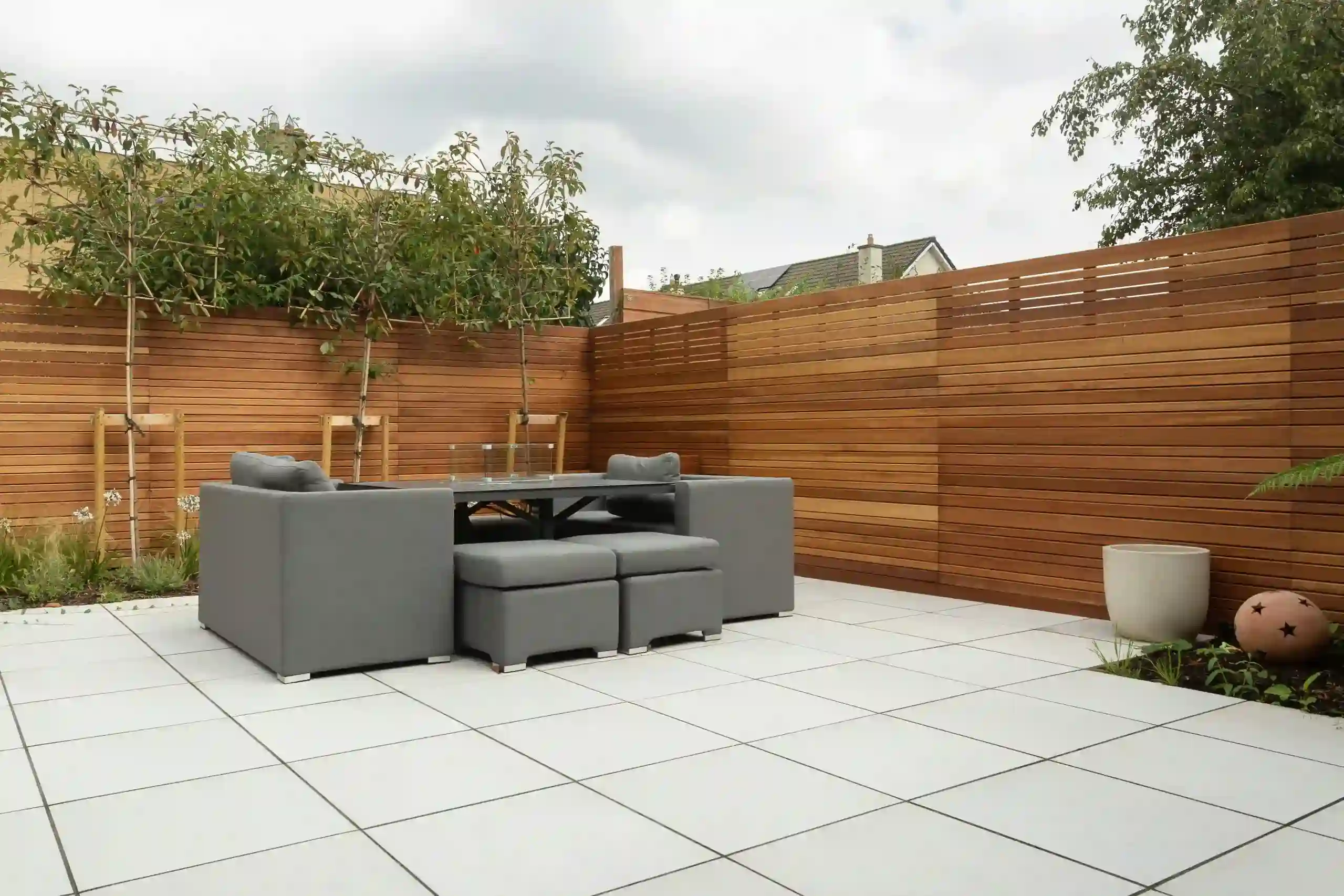
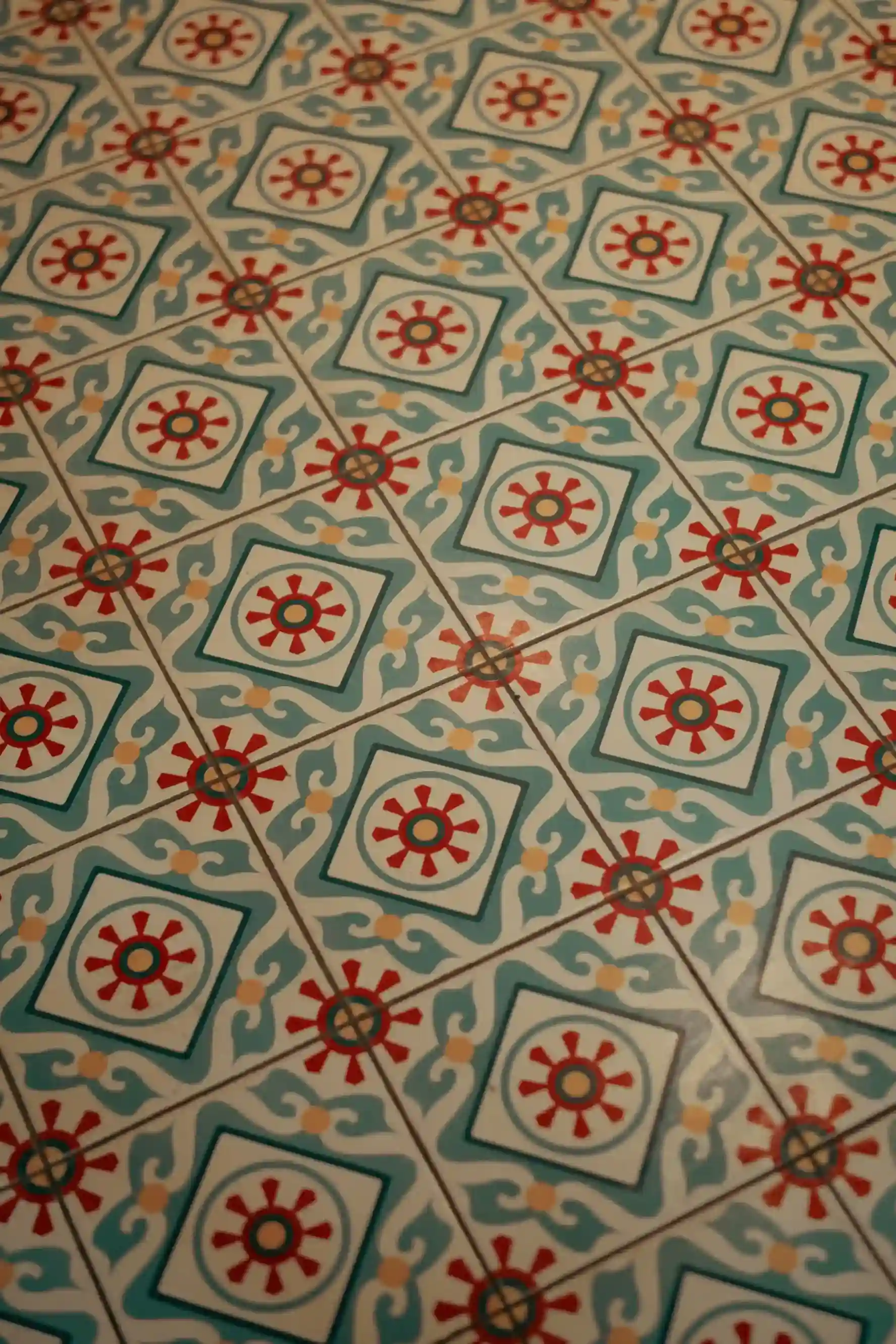
Kitchens, living rooms, entryways, and outdoor patios. We match the right tile format and layout to each room's traffic and moisture conditions.
Learn more
Commercial Tile Installation
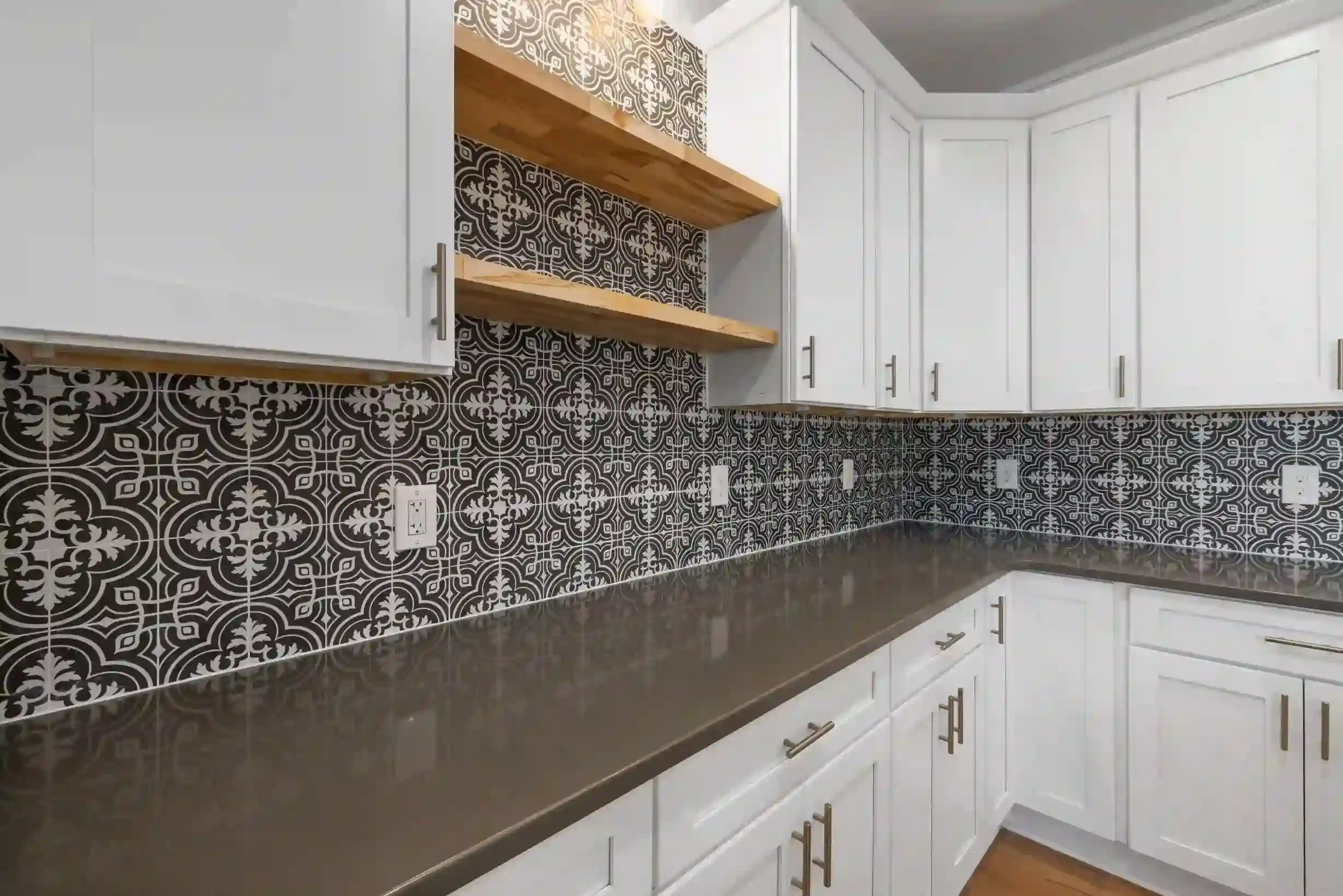
Retail floors, office lobbies, restaurant kitchens, and salon spaces. Commercial tile demands tighter tolerances and faster turnarounds — we plan for both.
Learn more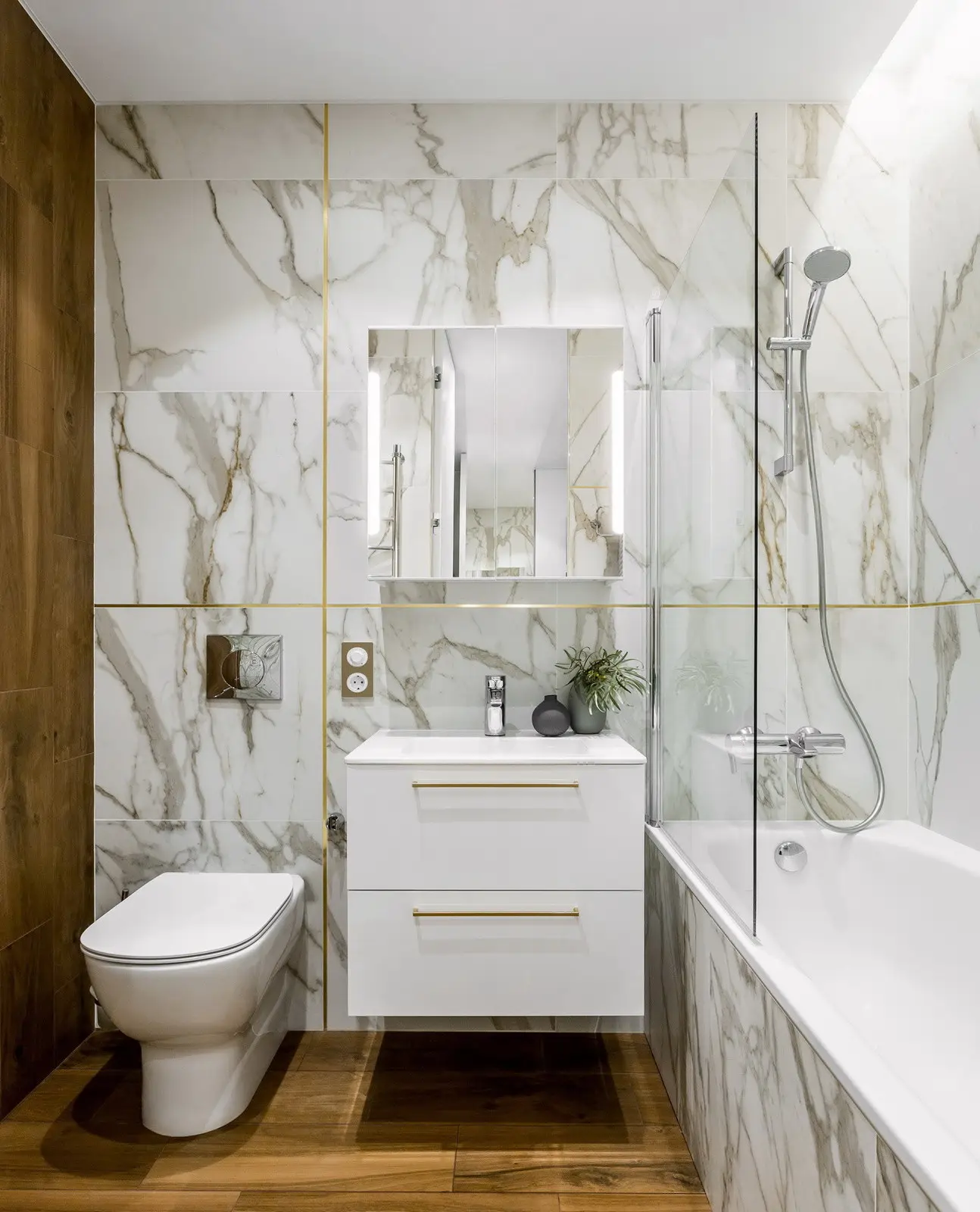
Shower and Bathroom Tile
Wet-area tile installation requires waterproofing membranes, pitch-correct shower pans, and grout that resists mold. We don't skip those steps.
Learn moreServing the Greater San Antonio Area
Our crew runs jobs throughout the northwest and northeast sides of San Antonio. If you're in one of these communities, we're already familiar with the neighborhood.
Leon Valley
Residential and commercial tile work throughout Leon Valley, including the older ranch-style homes along Bandera Road that often need full floor replacements.
View service areaCastle Hills
Castle Hills homeowners frequently upgrade kitchens and bathrooms to match the area's well-maintained mid-century properties. We know what works here.
View service areaAlamo Heights
From Broadway corridor commercial spaces to the historic bungalows off Austin Highway, Alamo Heights projects call for careful material selection and clean execution.
View service area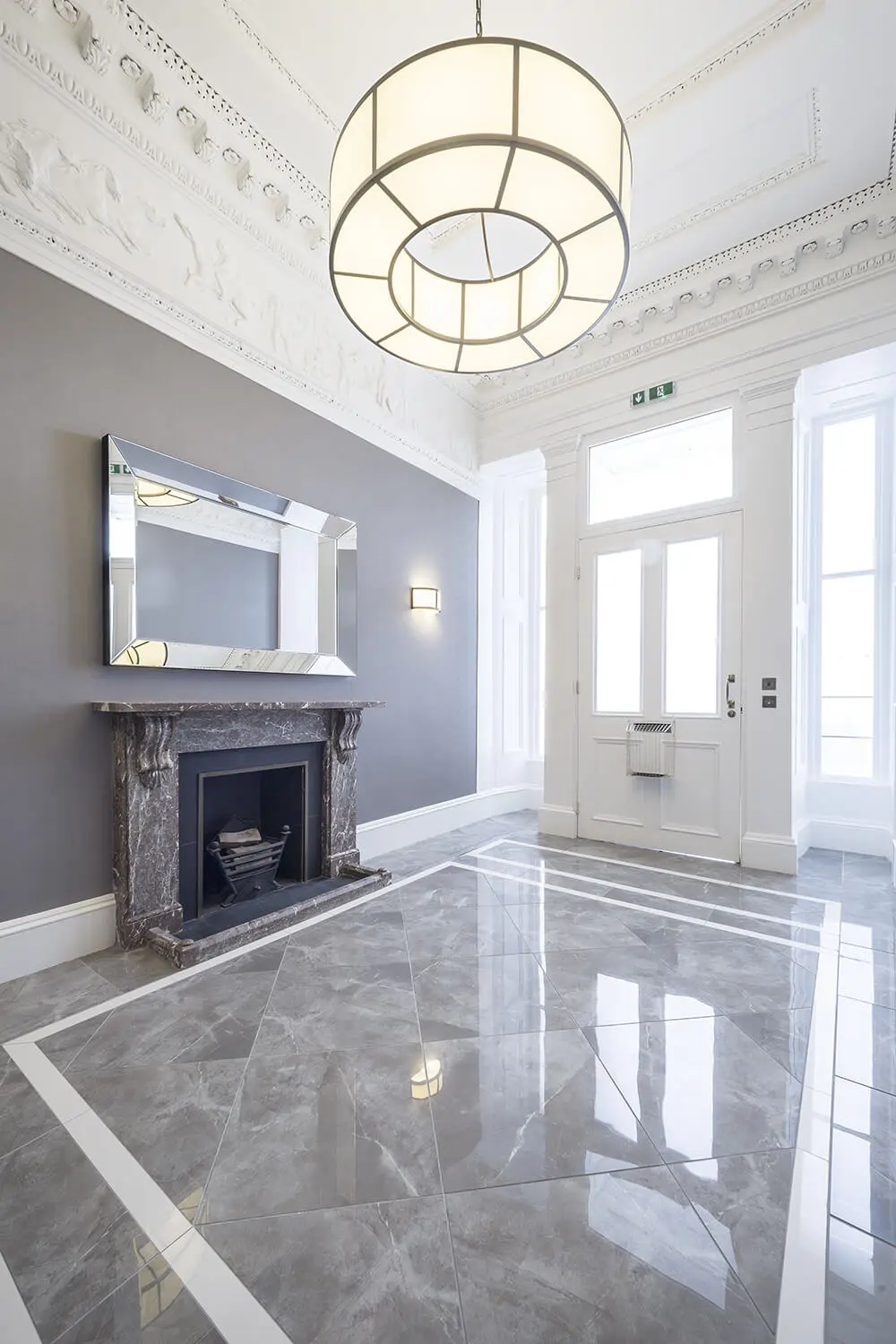
San Antonio Tile Specialists
Southtown Tile Contractor is a tile installation crew based out of the SW Loop 410 corridor in San Antonio. We work on residential and commercial projects throughout Bexar County, with a focus on the communities closest to us: Leon Valley, Castle Hills, and Alamo Heights.
Our team takes substrate preparation seriously. A tile floor that fails in three years almost always fails because of what happened before the first tile went down, not because of the tile itself. We use the correct mortar for each surface type, back-butter large-format tiles, and give grout joints the time they need to cure before traffic resumes.
We work with homeowners, general contractors, and commercial property managers. Every job gets a walkthrough at the end so you can see the finished work before we pack up.
About Our TeamBrowse Our Work
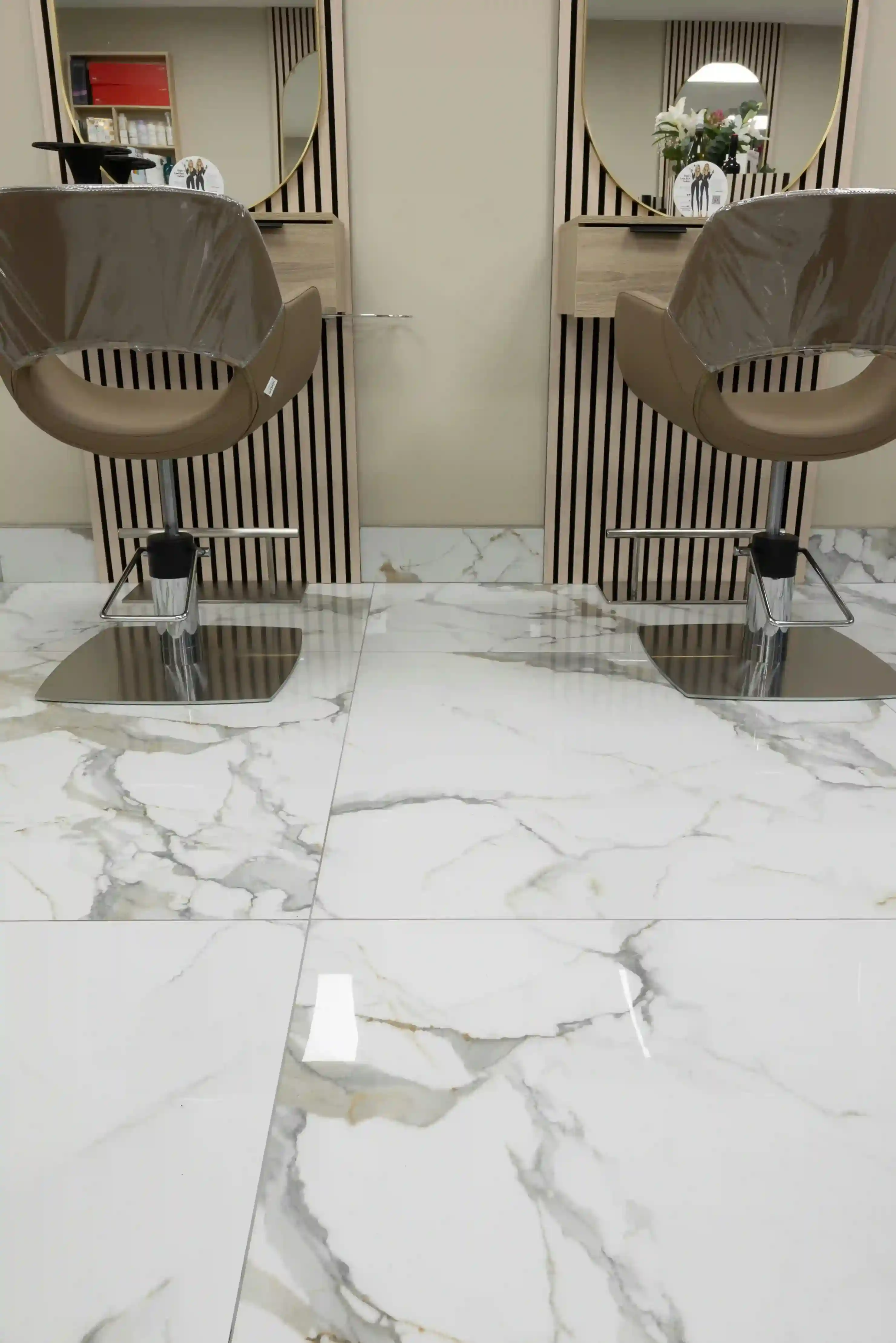
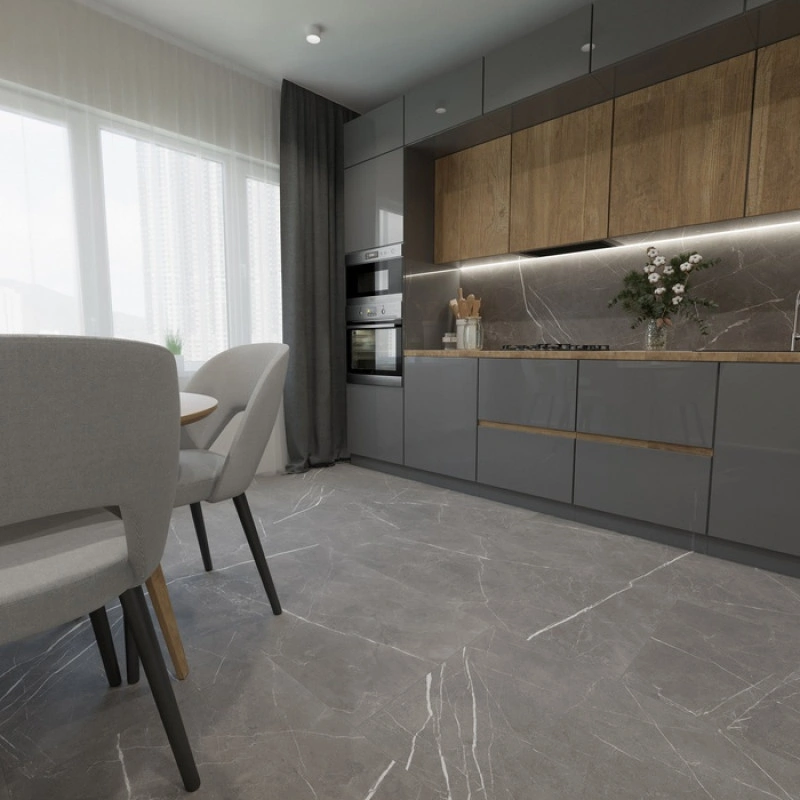
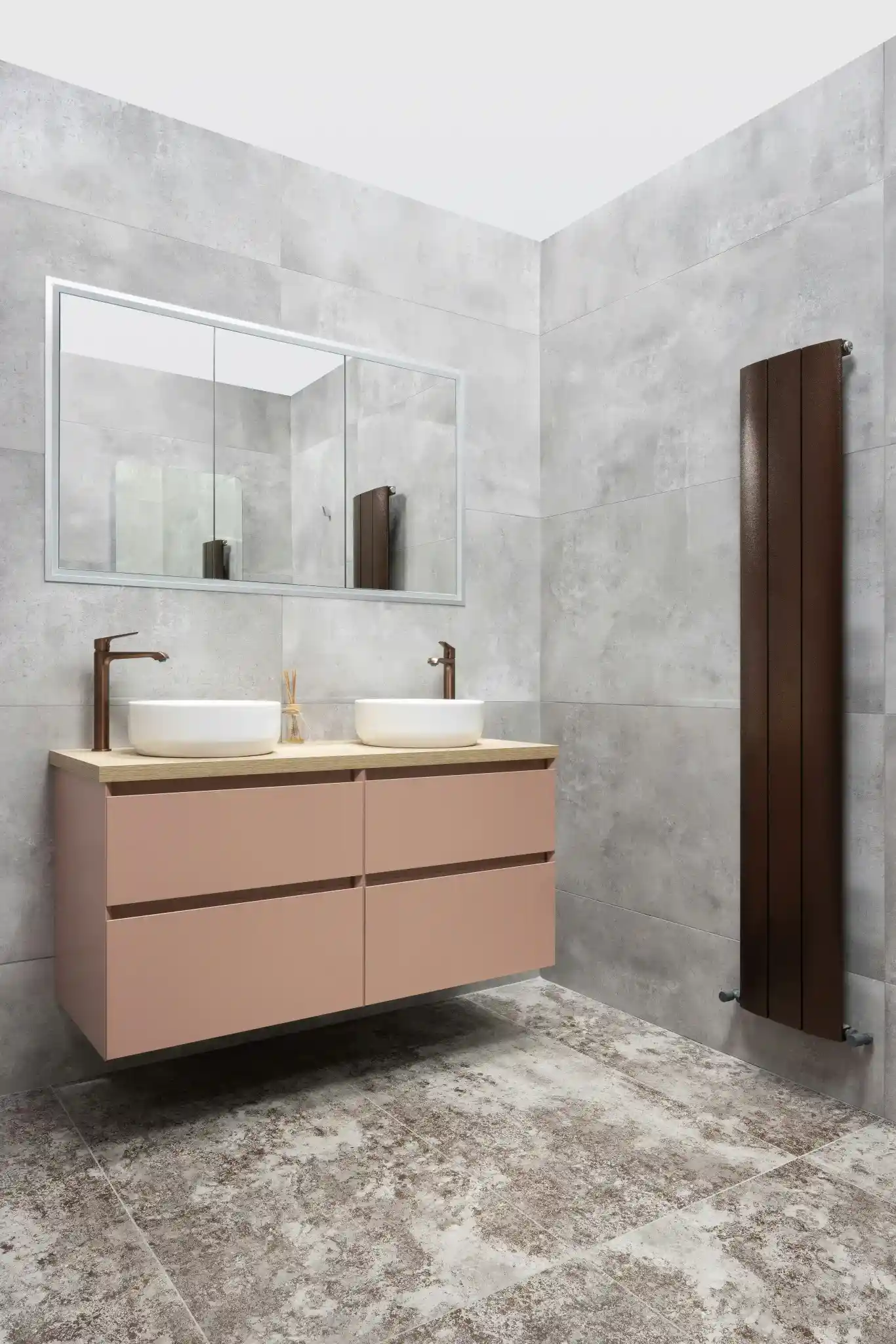
Filter by project type to see examples relevant to your space.
What Local Homeowners Say
Real feedback from homeowners and business owners across the San Antonio area.
Answers Before You Call
A standard kitchen or bathroom floor usually takes two to four days from start to finish. That includes surface prep, mortar setting time, and grout cure time before the space can be used. Larger rooms or complex patterns take longer. We give you a realistic timeline at the estimate stage so you can plan around it.
No. Removing existing tile, vinyl, or hardwood is part of what we do. We assess the subfloor condition after demo and address any soft spots, height transitions, or moisture issues before setting new tile. If you have already removed the old floor yourself, we will inspect the substrate and proceed from there.
Porcelain is fired at higher temperatures and absorbs less than 0.5% moisture by weight, making it suitable for outdoor use and wet areas. Ceramic absorbs more moisture and is generally used indoors in lower-traffic areas. Both are durable when installed correctly. The right choice depends on where the tile is going and how much foot traffic the space gets.
Sometimes, but it depends on the condition of the existing tile and the height tolerance of the space. If the existing tiles are fully bonded with no hollow spots and the floor height allows for another layer, it is possible. We always check for hollow tiles first — installing over a failed substrate just delays the same problem.
We can work either way. Some clients prefer to source their own tile from a showroom and have us handle the installation. Others want us to handle material procurement as part of the project. If you are sourcing your own tile, we will give you a square footage count with a recommended overage percentage so you order the right amount.
For the first 72 hours, keep the grout dry and avoid walking on the floor if possible. After that, regular cleaning with a pH-neutral cleaner keeps grout looking clean without breaking down the sealer. We apply a penetrating grout sealer at the end of every job. Resealing every one to two years in wet areas extends the life of the grout significantly.
Have a question we did not answer?
See All FAQsFrom the Job Site