
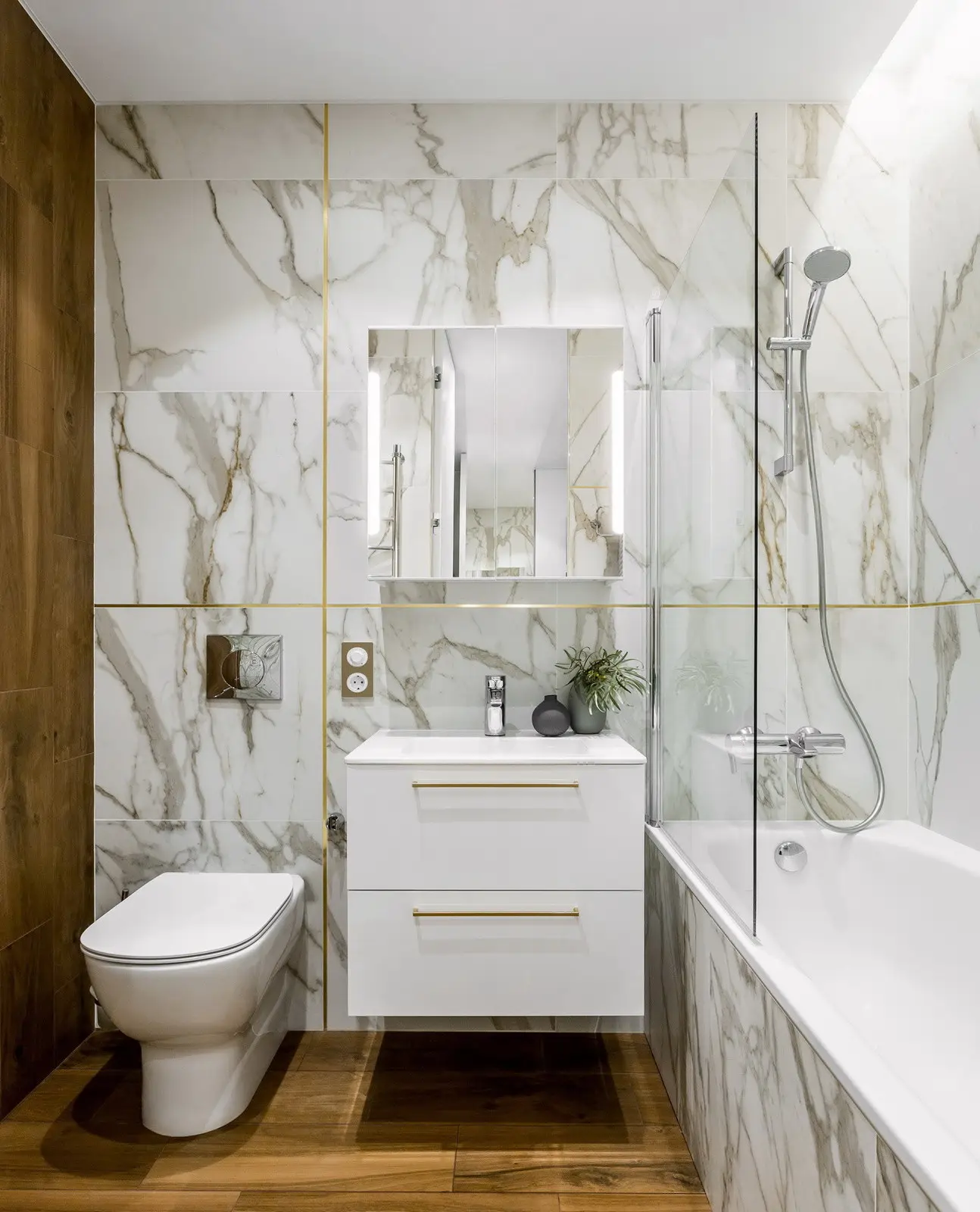
Why Bathroom Tile Is Different
A bathroom is the most unforgiving tile environment in a home. It is wet, it cycles between humidity levels, and it is used every day. The tile itself is often the least important variable. What matters more is the waterproofing system behind the tile, the quality of the shower pan, and the grout and caulk choices at movement joints.
We see a lot of failed bathroom tile jobs. Almost all of them fail for the same reason: whoever installed the tile skipped or cut corners on the waterproofing. Water gets behind the tile, saturates the cement board or drywall, and eventually the tile debonds or the wall structure deteriorates. The tile looks fine until it does not.
What We Include in Every Bathroom Tile Job
Waterproofing Membrane
We apply a sheet or liquid-applied waterproofing membrane to all shower walls and the shower floor before any tile goes up. We use systems from Schluter (Kerdi), Laticrete (Hydro Ban), or RedGard depending on the project. All seams and corners get fabric reinforcement. We do not use drywall or standard cement board in shower walls without a separate waterproofing layer over it.
Properly Pitched Shower Pan
The shower floor needs to slope toward the drain at a minimum of 1/4 inch per foot. We build the pre-slope using deck mud (a dry-pack mortar mix of Portland cement and sand) before the waterproofing membrane goes down. This ensures water drains completely rather than pooling under the membrane.
Appropriate Tile Selection for Wet Areas
Shower floors need tile with a DCOF (Dynamic Coefficient of Friction) rating of 0.42 or higher for wet barefoot conditions. Smaller tiles with more grout lines actually provide better traction than large-format tiles in shower floors. We will flag any tile selection that does not meet wet-area slip resistance requirements.
Movement Joints at Changes of Plane
Where the wall meets the floor and where two walls meet in a corner, grout is the wrong material. These are movement joints — they expand and contract differently than the field tile. We use silicone caulk color-matched to the grout at all changes of plane. Grout in these locations will crack within months.
Grout Sealing
All grout gets a penetrating sealer at the end of the job. In shower environments, we recommend resealing once a year. We leave you with the sealer product name so you can find it locally when the time comes.
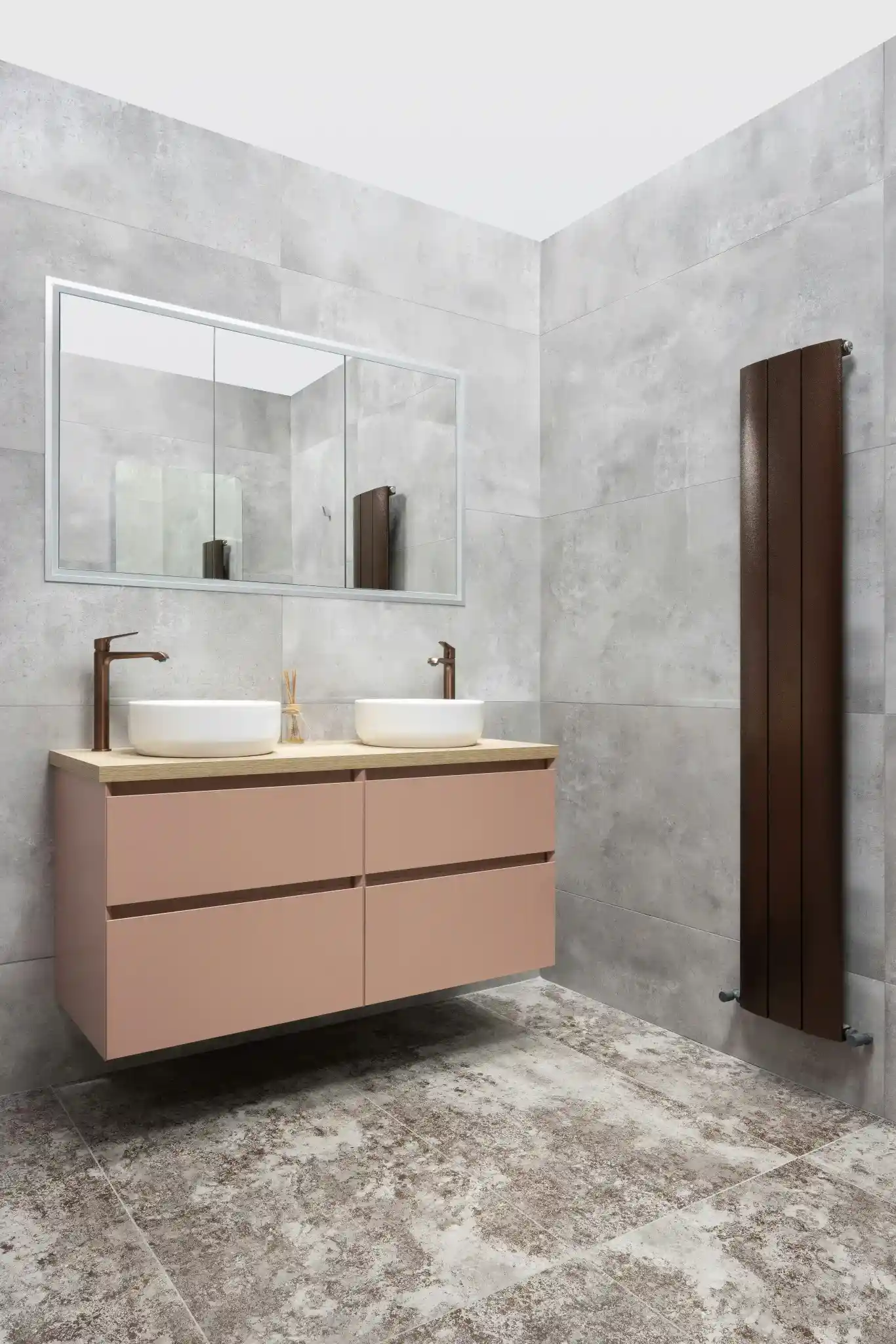
Tub Surrounds and Full Bathroom Tile
Tub surrounds follow the same waterproofing logic as showers. The area directly above a tub is a wet area and needs a membrane behind the tile. We handle tub surrounds, full bathroom floor and wall tile, and partial tile installations (wainscot height, accent bands, and feature walls).
We work with all tile formats for bathroom walls: large-format porcelain, subway tile in various sizes, mosaic sheets, and specialty materials like zellige and handmade ceramic. The layout planning for bathroom walls involves centering the tile on the most visible wall first, then working out from there to avoid narrow slivers at corners.
Service Areas for Bathroom Tile
We install shower and bathroom tile throughout the San Antonio area, including Leon Valley, Castle Hills, and Alamo Heights. Bathroom remodels are a significant part of our work in all three communities.