
What Residential Tile Installation Covers
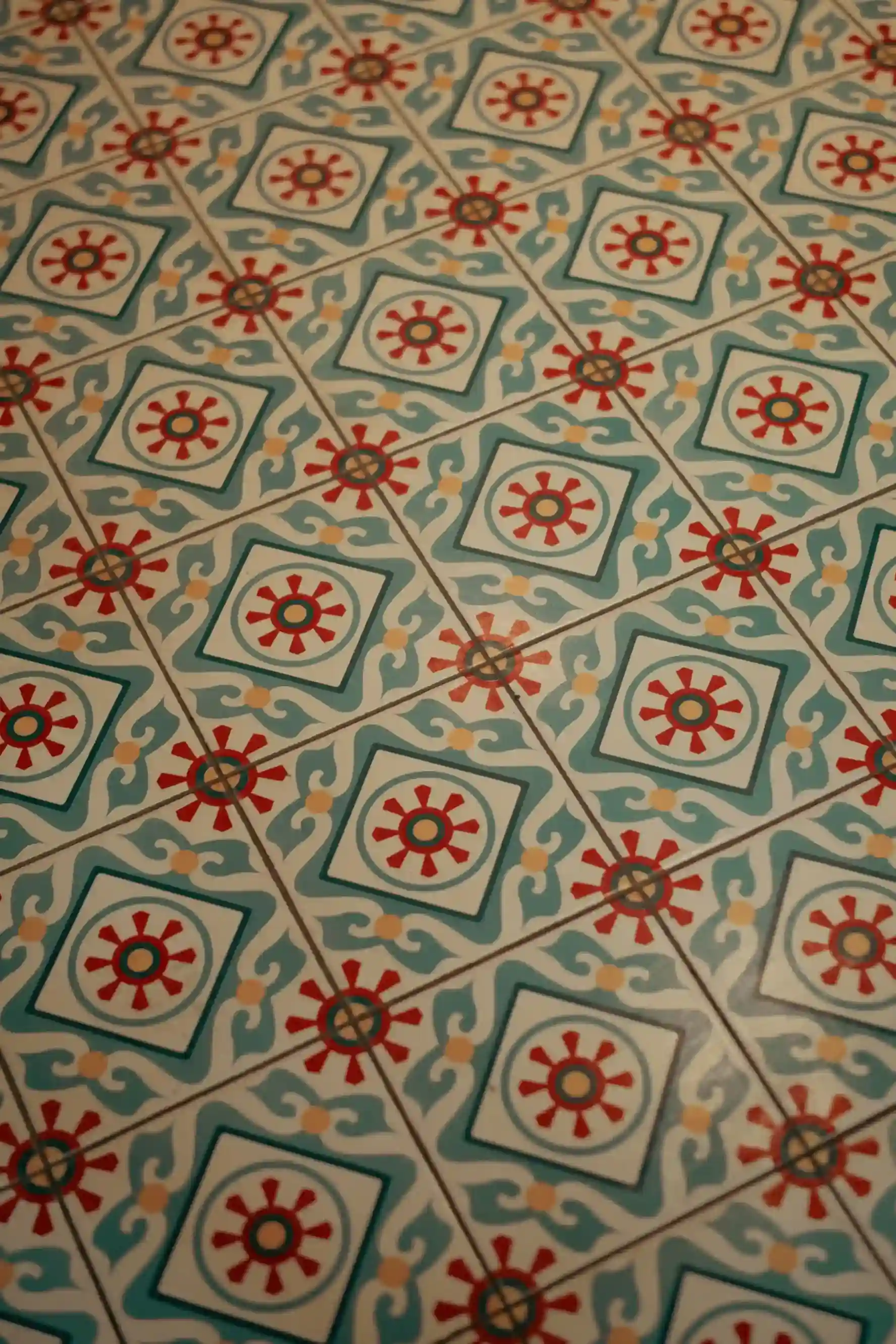
Residential tile work spans a wide range of spaces and materials. In a single home, you might have ceramic floor tile in the kitchen, large-format porcelain in the living room, encaustic cement tile in the entryway, and mosaic tile in the bathroom. Each of those settings has different substrate requirements, mortar types, and layout considerations.
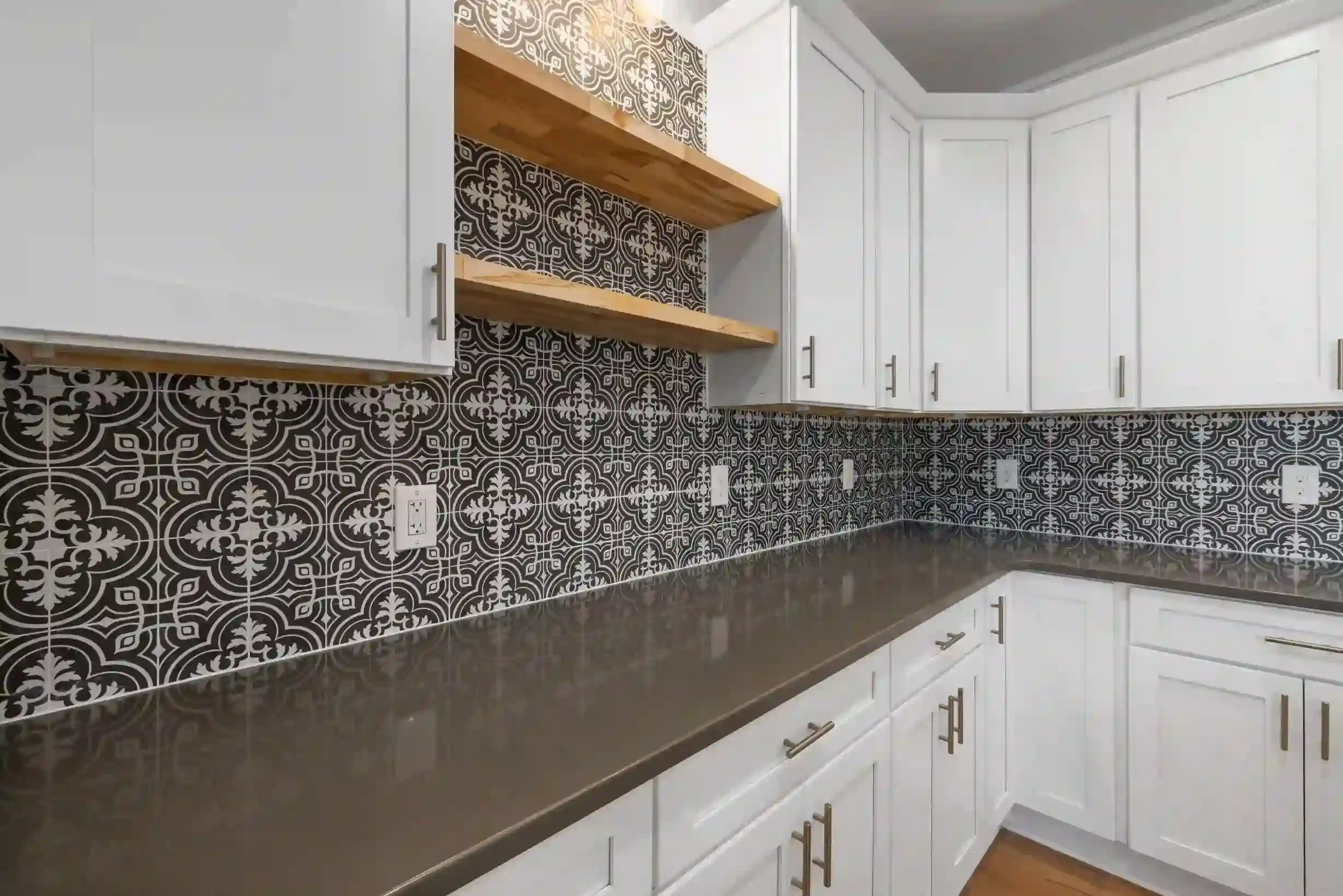
We handle all of it. Kitchen floors, living room floors, entryways, covered patios, laundry rooms, mudrooms, and backsplashes. If it is a flat surface in a home and tile belongs on it, we can install it.
The Installation Process
Site Visit and Measurement
We visit the space, measure the square footage, assess the existing substrate, and discuss layout options. We check for high and low spots using a long straightedge and a level. Floors that are out of plane by more than 3/16 inch over 10 feet need to be corrected before tile goes down.
Substrate Preparation
This is the part most homeowners never see, and the part that matters most. Depending on the subfloor type, we may apply a self-leveling compound to flatten the surface, install a cement board underlayment over wood subfloors, or use an uncoupling membrane like Schluter Ditra to isolate the tile layer from wood movement. The right prep depends on the specific conditions of your floor.
Layout Planning
Before the first tile goes down, we snap chalk lines and dry-lay the pattern to confirm the layout looks right from the room's main entry point. For diagonal patterns, herringbone, or large-format tiles, this step takes longer but prevents awkward cuts at doorways and cabinets.
Setting and Grouting
We use the mortar type specified for the tile format and substrate combination. Large-format tiles (anything over 15 inches on a side) get back-buttered in addition to the floor mortar to achieve the 95% coverage standard for wet areas and 80% for dry areas. Grout goes in after the mortar has cured, typically 24 hours. We seal the grout before we leave.
Materials We Work With
Porcelain and ceramic make up the majority of residential floor tile jobs. We also install natural stone (travertine, slate, marble), encaustic cement tile, glass mosaic, and specialty formats including wood-look planks and large-format slabs. Each material has its own mortar requirements and maintenance considerations, which we walk through with you before the job starts.
One thing worth knowing: encaustic cement tile is not fired and is highly porous. It requires a penetrating sealer before grouting (to prevent grout haze from soaking in) and again after grouting. We do not skip that step.
What to Expect After Installation
We do a walkthrough with you at the end of every job. You will see the finished surface, the grout lines, and the transitions to adjacent flooring. If anything looks off to you, we address it before we pack up. We apply a penetrating grout sealer as the last step on every job. We also leave you with care instructions specific to the tile and grout you chose.